How to Choose a Private Gaudi Tour in Barcelona
Choosing a private tour of Gaudi's work is less about finding the most famous buildings and more about matching the visit to the way you want to see them. Barcelona can be busy, and the major sites have their own rhythms, entry rules and crowded moments. A good fit should feel calm, clear and well paced, with enough room to ask questions and look closely at the details that make the architecture distinctive.
Start by deciding what you want the tour to cover. Gaudi's work is spread across the city, so a route that tries to include everything can feel rushed. Sagrada Familia is often the main priority, while Park Güell gives a broader sense of his colour, landscape ideas and public spaces. Casa Batlló and La Pedrera sit in a different setting, among the elegant streets of Eixample, where façades, staircases, courtyards and rooftops reward slow observation.
Set the purpose of the visit
Before comparing options, think about why the tour matters to you. Some visitors want a broad introduction to modernisme and the city. Others care most about architectural details, such as structural lines, light, ceramics, ironwork or the way curves appear in stone and wood. A family may need short stops and simple explanations. A design-focused visit may call for deeper commentary and more time at each building.
Write down one main aim and one secondary aim. That small step makes later choices much easier. If the main aim is Sagrada Familia, look for an itinerary that gives it proper time rather than treating it as a quick photo stop. If the aim is understanding Gaudi across the city, choose a route with a clear sequence and enough travel time between stops. If the aim is a relaxed day with few transitions, a narrower route is usually better.
Check exactly which sites are included
Read the itinerary for named stops, not just the title. A tour described around Gaudi may include one interior visit and several exterior views. That can be perfectly reasonable, but it should be clear from the start. Exterior stops can still be valuable, especially when guided commentary explains the façade, the surrounding streets and the historical setting. Interior visits offer a different layer, from stained glass and columns to stairways and rooftop forms.
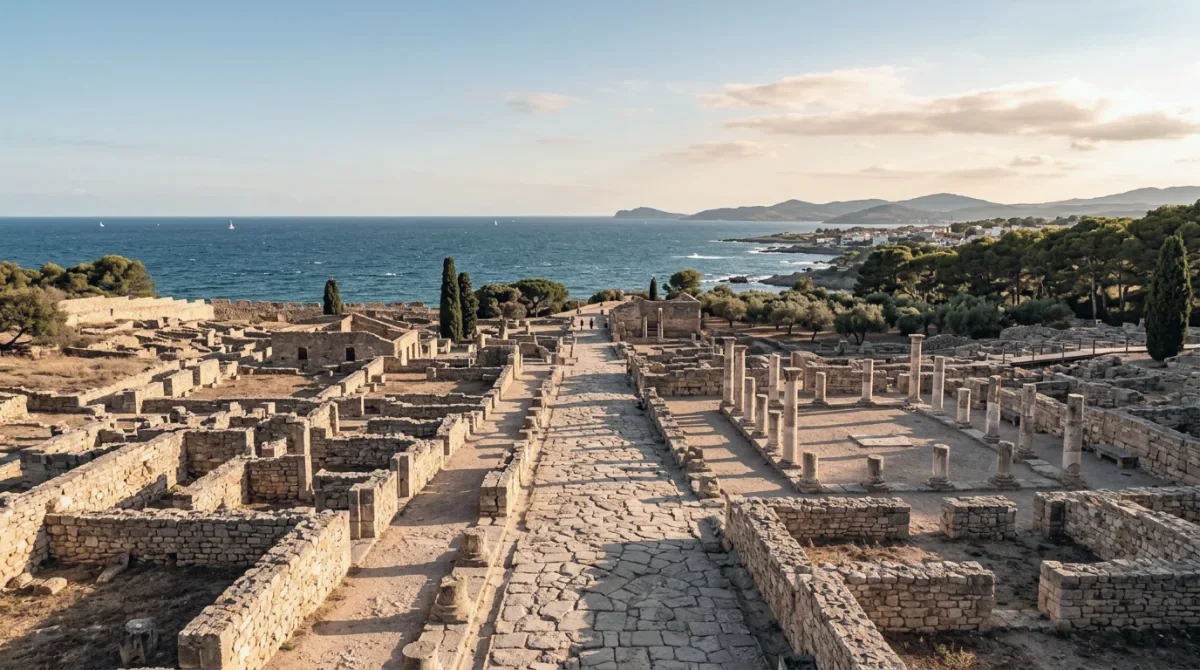
Watch for vague wording such as highlights or city tour without a defined route. A useful private gaudi tour barcelona itinerary should tell you which landmark is entered, which is viewed from outside and how long each part is likely to take. It should also say whether travel between stops is on foot, by public transport or by private vehicle. This matters because distances can shape the mood of the day. A walking route through the Gothic Quarter has a different pace from one that moves between hillside and avenue.
Entry access is another detail worth checking carefully. Some sites use timed admission, and some areas may have restrictions on large groups or certain entry points. The phrase skip-the-line access is often used in travel, but it can mean different things. Ask what it applies to and how the arrangement works on the day. Clear wording is a better sign than broad promises.
Match the pace to your group
Private does not automatically mean unhurried. The route still needs to suit the people taking part. Think about walking distance, heat, stairs, standing time and the number of stops. Park Güell involves slopes and uneven paths in parts, while interiors can require queues even with planning. A route that looks short on a map may still be tiring if it includes several long visits in one day.
For a first visit, a balanced plan often works best: one major interior, one outdoor site and perhaps one building studied from the street. For a deeper architecture-focused day, fewer stops with longer explanations are more useful. For children or older travellers, ask about seating, shade, rest points and whether the route can be shortened.
Also consider the starting point. A tour that begins near your accommodation may reduce stress, especially on the first morning in a new city. If it starts elsewhere, check how you will get there and how much time is built into the plan. Arriving flustered can take the edge off even a beautifully designed route.
Look closely at the guiding style
The right guide does more than recite dates. Gaudi's work can be approached through form, faith, nature, engineering, craft and urban context. Good commentary connects these threads without overwhelming the visitor. Before choosing, read how the tour describes its guiding approach. Look for plain language about themes, questions and the level of detail offered.
If you care about architectural details, check whether the route leaves time to stand and look up, compare façades or discuss materials. If you prefer stories and context, look for a plan that links the buildings to Barcelona's wider development. The best private gaudi tour barcelona option is usually the one that adapts the subject to the listener, not one that delivers the same script to everyone.
Language is part of this fit. Confirm the language of the tour and whether mixed language groups are involved. Ask how terms are explained, especially for visitors who are new to Catalan or Spanish architecture names. Clear names and simple descriptions help the day feel coherent.
Read inclusions and exclusions with care
A private tour may sound complete, but the practical details still matter. Check what is included before comparing value. The most useful details tend to be simple ones: admission arrangements, the number of stops, the length of the route, transport between sites and whether food or breaks are part of the plan.
Use a short comparison when reviewing options:
- Whether entry tickets to named sites are arranged in advance.
- Whether the route is walking based or includes transport.
- Whether the visit covers interiors, exteriors or both.
- Whether the schedule has space for questions and photos.
- Whether changes are possible on the day.
Do not treat a longer itinerary as better by default. Extra stops can mean less time in the places that matter most. A tour that gives Sagrada Familia and Casa Batlló enough attention may be more satisfying than one that names many landmarks but barely pauses at them.
Check timing and crowd patterns
Timing can change how a site feels. Popular landmarks draw steady traffic, and quieter windows may not match the ideal sightseeing schedule. Morning visits often feel fresher, while later visits may suit travellers who prefer a slower start. The right choice depends on the site, the season and the route as a whole.
Ask how the plan handles entry times and whether the order of stops is fixed. Some routes follow a logical geographic sequence, while others are shaped by timed admission. Both can work, but the reason should be clear. A sensible plan avoids crossing the city repeatedly and leaves a buffer for delays, particularly where transport or busy streets are involved.
Weather is worth considering too. Barcelona sunshine can make open spaces enjoyable, but long exposed stretches can be tiring in warm months. Rain changes the appeal of rooftops and hillside viewpoints. A flexible route can shift the focus toward interiors when needed.
Ask practical questions before booking
Good questions reveal how well a tour is organised. They also help avoid mismatches that only become obvious on the day. Keep the questions direct and specific, and pay attention to whether the answers are clear.
- How long is each stop, and how much time is spent moving between them?
- What happens if a site changes its entry arrangements or access rules?
- Can the route be adjusted for mobility, interests or a shorter day?
- What is the group size, and how are questions handled?
A vague answer is not always a problem, but it should be followed up. The aim is not to test anyone. It is to understand how the visit will actually run. Clear communication before the tour usually leads to fewer surprises during it.
Compare the whole experience, not just the headline
The final choice should rest on fit. Look at the route, the pace, the guiding style, the access details and the level of flexibility together. A tour with fewer stops may offer a richer visit if it gives space to notice the curve of a staircase, the play of light through glass or the way a façade changes from the street.
Trust clear information over polished wording. If the plan explains what happens at each landmark, how the day moves and where attention is focused, it is easier to judge whether it suits you. When the structure is sound, the tour can leave room for the best part of seeing Gaudi in Barcelona: the moment the details start to connect.